|
|
| (298 intermediate revisions by the same user not shown) |
| Line 1: |
Line 1: |
| The goals and effects of Hajj
| | {{Building |
| The goals and effects of Hajj are the spiritual and material results of the Hajj in the life of a Muslim, which are mentioned in religious texts. According to the Qur'an (verses 27 and 28 of Surah Hajj), the duty of Hajj has benefits for humans:
| | | title = Salman al-Farsi Mosque |
| وَأَذِّن فِی ٱلنَّاسِ بِٱلۡحَجِّ یَأۡتُوکَ رِجَالٗا وَعَلَیٰ کُلِّ ضَامِرٖ یَأۡتِینَ مِن کُلِّ فَجٍّ عَمِیقٖ لِّیَشۡهَدُواْ مَنَافِعَ لَهُمۡ ... "and proclaim among men the Pilgrimage, and they shall come unto thee on foot and upon every lean beast, they shall come from every deep ravine(27) that they may witness things profitable to them and mention God's Name on days well¡known over such beasts of the flocks as He has provided them So eat thereof, and feed the wretched poor(28)"
| | | image =سلمان.jpg |
| | | image size = |
| | | image link = |
| | | image description = |
| | | other names = |
| | | place = [[Saudi Arabia]] * [[Medina]] * Near the [[Fath Mosque]] and at the edge of Mount Sela' |
| | | usage = Mosque |
| | | religious affiliation = Islam |
| | | beliefs = |
| | | rituals = |
| | | rulings = |
| | | pilgrims = |
| | | visitors = |
| | | time of construction = 1st century AH |
| | | founder = |
| | | events = |
| | | reconstructions = |
| | | reconstructors = |
| | | missing parts = |
| | | historical features = The place where the Prophet(s) prayed |
| | | trustee = |
| | | space = |
| | | length = |
| | | width = |
| | | height = |
| | | status = Existing |
| | | capacity = |
| | | facilities = |
| | | parts = |
| | | architect = |
| | | style = |
| | | properties = |
| | | domes = |
| | | minarets = |
| | | doors = |
| | | porticos = |
| | | courts = |
| | | verandas = |
| | | affiliated entity = |
| | | maintaining entity = |
| | | administrator = |
| | | imam of prayer = |
| | | subsidiary entities = |
| | | registered in = |
| | | registration no. = |
| | | registration date = |
| | | website = |
| | | latitude = 24.477443 |
| | | longitude = 39.595562 |
| | | map description = |
| | }} |
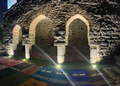
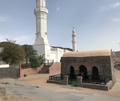
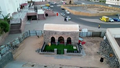
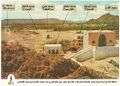
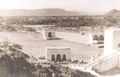
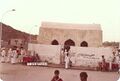
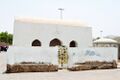
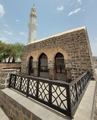
| | '''Salman al-Farsi Mosque''' is one of the historical mosques in Medina, located south of the [[Fath Mosque (Medina)|Fath Mosque]] and northwest of [[Mount Sela']]. The Prophet (PBUH) prayed at this site during the [[Battle of the Trench]]. The mosque is named after [[Salman al-Farsi]], one of the companions of [[Prophet Muhammad(s)], who suggested digging the trench to defend against the Quraysh army. The mosque features a courtyard and a rectangular prayer hall. |
|
| |
|
| In the hadiths of the Imams (a.s.), which have survived in Shiite texts, these "benefits" have been interpreted and considered to include worldly blessings and otherworldly benefits. In this article, some of the most important goals and results of Hajj are introduced based on Shia hadith and commentary texts. Repentance and forgiveness, self-improvement and piety, strengthening of faith, Tawalli and tabarri material benefits are among these goals and benefits.
| | ==Name and Location== |
| ==Repentance and forgiveness== | | Salman al-Farsi Mosque is located south of the [[Fath Mosque]] and northwest of the slopes of [[Mount Sela']].<ref name=":0">[https://wikihaj.com/index.php?title=File:Masajid_al-Athariya.pdf&page=143 Masājid al-Athariya, ʿAbd al-Ghanī, p. 143.]</ref> It is said that the mosque was named after [[Salman al-Farsi]], a companion of the Prophet (PBUH), who played a key role in the [[Battle of the Trench]] by proposing the idea of digging the trench.<ref name=":0" /> |
| Based on a tradition, Imam Sadiq (a.s.) considered the main reason for the construction of the [[Ka'ba]] to be the repentance of the children of Adam and their purity from sin.<ref>Kulaynī, ''al-Kāfī'', vol. 4, p. 188; Ḥurr al-ʿĀmilī, ''Wasāʾil al-Shīʿa'', vol. 13, p. 295.</ref> Imam Reza (a.s.) also said that the reason for the legalization of Hajj was Moving to God and repent of past sins and starting a new life.<ref>Ṣadūq, ''ʿIlal al-sharāʾiʿ'', vol. 1, p. 273; Ḥurr al-ʿĀmilī, ''Wasāʾil al-Shīʿa'', vol. 11, p. 13.</ref>Based on a narration, one of the instances of "benefits" in the verse:
| |
| (وَ أَذِّن فی النَّاسِ بِالحْجّ… لِّّیشْهَدُواْ مَنَافِعَ لَهُمْ)<ref>Quran: 22:28</ref>{{enote|"And proclaim to the people the Hajj... that they may witness benefits for themselves."}} This is about seeking divine forgiveness and mercy.<ref>Kulaynī, ''al-Kāfī'', vol. 4, p. 264.</ref>
| |
|
| |
|
| ==Taqwa== | | ==The Prophet's Prayer== |
| According to a narration from Imam Reza (AS), one of the aims and effects of [[Hajj]] is self-improvement and eliminating unworthy traits.<ref>Ṣadūq, ''ʿIlal al-sharāʾiʿ'', vol. 2, p. 402; Majlisī, ''Biḥār al-anwār'', vol. 6, p. 96.</ref> Similarly, an account from Imam Ali (AS) mentions the purpose of Hajj as expelling vanity from hearts and replacing it with humility.<ref>Kulaynī, ''al-Kāfī'', vol. 4, p. 201; ''Nahj al-balāgha'', kh, 192.</ref> The wisdom behind each [[Rites of Hajj al-Tamattu'|rituals of hajj]], as per narrations, is self-improvement.{{enote|According to a narration from Imam Sadiq (AS), the wisdom behind sacrificing the animal during Hajj is symbolic. Sacrificing represents the slaughter of carnal desires and greed, while the act of stoning the pillars symbolizes distancing oneself from lustful inclinations and wrongful deeds. Shaving or trimming the hair symbolizes removing both outward and inward flaws within a person.}}<ref>Al-mansūb ilā l-Imām al-Sādiq, ''Miṣbāḥ al-sharī'a'', p. 49;Nūrī, ''Mustadrak al-wasāʾil'', vol. 10, p. 173.</ref>
| | Salman al-Farsi Mosque is one of the [[Fath Mosques]]. According to narrations, the Prophet (PBUH) prayed at the Fath Mosque and its surrounding mosques.<ref name=":4">Al-Durra al-Thamina fi Tarikh al-Madina, Ibn Najjar, p. 189.</ref> Ibn Shabba reports that during the [[Battle of the Trench]], the Prophet prayed at the base of Mount Sela' and then ascended the mountain to supplicate.<ref name=":2">[https://wikihaj.com/index.php?title=File:Tarikh_al-Madina_al-Munawwara_Ibn_Shabba.pdf&page=59 Tarikh al-Madina al-Munawwara, Ibn Shabba, pp. 58–59.]</ref> Researchers believe this site to be the same as Salman al-Farsi Mosque.<ref name=":1">[https://wikihaj.com/index.php?title=File:Masajid_al-Athariya.pdf&page=144 Masājid al-Athariya, ʿAbd al-Ghanī, p. 144.]</ref> |
| The Quran considers the objective behind legislating Hajj as the attainment of human consciousness towards God (taqwa).{{enote|﴿الْحَجُّ أَشْهُرٌ مَعْلُوماتٌ… َ تَزَوَّدُوا فَإِنَّ خَیرَ الزَّادِ التَّقْوی وَ اتَّقُونِ یا أُولِی الْأَلْباب﴾
| |
| "Hajj is [to be performed in] known months... Seek provisions for yourselves, but the best provision is righteousness." Quran: 2: 197}} This goal is also referenced in two other verses.<ref>Quran: 2: 189,196; 5:96.</ref> Moreover, in various hadiths, the emphasis is placed on maintaining taqwa from the moment of assuming the state of [[Ihram]] until the completion of the [[Rites of Hajj al-Tamattu'|rituals]].<ref>Kulaynī, ''al-Kāfī'', vol. 4, p. 338; Ṭūsī,''Tahdhīb al-aḥkām'', vol. 5, p. 296.</ref>
| |
|
| |
|
| ==Strengthening faith== | | ==History== |
| In narrations, the phrase (قِیاماً لِلنَّاسِ as an establishment for men) in the verse جَعَلَ اللَّهُ الْکعْبَةَ الْبَیتَ الْحَرامَ قِیاماً لِلنَّاسِ{{enote|God has appointed the Kaaba, the Holy House, as an establishment for men, and the holy month. (Quran: 5:97)}} Establishing the religion and livelihood of the people is considered;<ref> Ḥurr al-ʿĀmilī, ''Wasāʾil al-Shīʿa'', vol. 11, p. 60.</ref> Hence, one of the aims of [[Hajj]] is considered the establishment of religion.<ref> Pazhūhishkada-yi ḥajj wa ziyārat, ''Dānishnāmah-yi ḥajj wa ḥaramayn sharīfayn'', vol. 6, p. 328.</ref> Another narration links the establishment of religion to the existence of the [[Ka'ba]].<ref>Kulaynī, ''al-Kāfī'', vol. 4, p. 271; Ṣadūq, ''Man lā yaḥḍuruh al-faqīh'', vol. 2, p. 243.</ref> In other narratives, Hajj is also considered as a symbol of Islam,<ref> ''Nahj al-balāgha'', kh, 192; Ḥurr al-ʿĀmilī, ''Wasāʾil al-Shīʿa'', vol. 11, p. 15.</ref> a means of elevating the religion,<ref>Ṣadūq, ''ʿIlal al-sharāʾiʿ'', vol. 1, p. 248; Ḥurr al-ʿĀmilī, ''Wasāʾil al-Shīʿa'', vol. 1, p. 22.</ref> empowering of the religion,<ref>Majlisī, ''Biḥār al-anwār'', vol. 6, p. 110; vol. 50, p. 267; Ḥurr al-ʿĀmilī, ''Wasāʾil al-Shīʿa'', vol. 11, p. 15.</ref> and reforming the beliefs of the people.<ref>Ḥurr al-ʿĀmilī, ''Wasāʾil al-Shīʿa'', vol. 11, p. 15; Majlisī, ''Biḥār al-anwār'', vol. 59, p. 267.</ref>
| | Salman al-Farsi Mosque is one of the oldest mosques in [[Medina]]. Some scholars suggest that it was likely built during the governorship of [[Umar ibn Abd al-Aziz]] over Medina (87–101 AH).<ref name=":6">[https://wikihaj.com/index.php?title=File:Al-Madina_al-Munawwara_Tatawwuruhā_al-ʿUmrānī.pdf&page=188 Al-Madīna al-Munawwara: Tatawwuruhā al-ʿUmrānī, p. 188.]</ref> The mention of the mosque in the works of Ibn Shabba<ref name=":2" /> (who lived between 173–262 AH) indicates that the mosque existed in the 2nd century AH. |
|
| |
|
| ==Spiritual Connection with Divine Leadership (Tawalli)== | | Ibn al-Barraj (d. 481 AH) also mentioned this mosque.<ref>Al-Muhadhdhab, Ibn al-Barraj, vol. 1, p. 283.</ref> The mosque was reconstructed in 577 AH.<ref name=":5">Bahjat al-Nufus wa al-Asrar fi Tarikh Dar Hijrat al-Nabi al-Mukhtar, Marjani, vol. 1, p. 570.</ref><ref>[https://wikihaj.com/index.php?title=File:Al-Madina_al-Munawwara_Tatawwuruhā_al-ʿUmrānī.pdf&page=189 Al-Madīna al-Munawwara: Tatawwuruhā al-ʿUmrānī, p. 189.]</ref> After this reconstruction, [[Ibn Najjar]] described the mosque as being surrounded by numerous palm trees and constructed with stone and plaster.<ref name=":4" /> Some Shia sources from the 7th century AH mention prayers and visits to this mosque.<ref>Al-Mazar, Muhammad ibn Jaʿfar al-Mashhadi, p. 102.</ref><ref>Misbah al-Zaʾir, Sayyid Ibn Tawus, p. 64.</ref> |
|
| |
|
| Prophet Ibrahim (AS) in the verse (وَ أَذِّنْ فِی النَّاسِ بِالْحَجِّ یأْتُوک… ){{enote|and proclaim among men the Pilgrimage, and they shall come unto thee on foot and upon every lean beast, they shall come from every deep ravine(Quran: 22:27)}}has been tasked with inviting people to [[Hajj]], calling them to come towards him. Therefore, strengthening friendship and connection with divine leaders is considered one of the goals of Hajj.<ref>Pazhūhishkada-yi ḥajj wa ziyārat, ''Dānishnāmah-yi ḥajj wa ḥaramayn sharīfayn'', vol. 6, p. 328.</ref> In another verse, Prophet Ibrahim (AS) requests from Allah to incline the hearts of the Hajj pilgrims towards his descendants in [[Mecca]].{{enote|رَّبَّنَآ إِنِّيٓ أَسۡكَنتُ مِن ذُرِّيَّتِي بِوَادٍ غَيۡرِ ذِي زَرۡعٍ عِندَ بَيۡتِكَ ٱلۡمُحَرَّمِ رَبَّنَا لِيُقِيمُواْ ٱلصَّلَوٰةَ فَٱجۡعَلۡ أَفۡـِٔدَةٗ مِّنَ ٱلنَّاسِ تَهۡوِيٓ إِلَيۡهِمۡ وَٱرۡزُقۡهُم مِّنَ ٱلثَّمَرَٰتِ لَعَلَّهُمۡ يَشۡكُرُونَ (Our Lord, I have made some of my seed to dwell in a valley where is no sown land by Thy Holy House; Our Lord, let them perform the prayer, and make hearts of men yearn towards them, and provide them with fruits; haply they will be thankful) (Quran: 14:37)}} Some interpretations consider the term "My offspring" (ذُرِّیَّتِی) in the mentioned verse to refer to [[the Ahlul Bayt (AS)]].<ref>Kulaynī, ''al-Kāfī'', vol. 1, p. 392; Majlisī, ''Biḥār al-anwār'', vol. 27, p. 74.</ref> Another narration interprets Allah's purpose in "completing Hajj"{{enote| وَأَتِمُّواْ ٱلۡحَجَّ وَٱلۡعُمۡرَةَ لِلَّهِ﴾Fulfil the Pilgrimage and the Visitation unto God. Quran: 2: 196.)}} as meeting with Prophet Muhammad (PBUH)<ref>Majlisī, ''Biḥār al-anwār'', vol. 97, p. 139.</ref> and the Imams (AS).<ref>Kulaynī, ''al-Kāfī'', vol. 4, p. 549.</ref> This concept is emphasized in other traditions as well.<ref>Ṣadūq, ''ʿIlal al-sharāʾiʿ'', vol. 2, p. 459; Majlisī, ''Biḥār al-anwār'', vol. 96, p. 374.</ref> The Imam (AS) is considered the spiritual essence of the Kaaba and the central axis of all Hajj rituals, achieving the essential goals of this worship.<ref>Jawādī Āmulī, ''Ṣahbāy-i ḥajj'', p. 99-100.</ref> The introduction of Imam Hasan (AS)<ref>Ṣadūq, ''Al-Amālī'', p. 245; Ibn Shuʿba al-Ḥarrānī, ''Tuḥaf al-ʿuqūl'', p. 233.</ref> and Imam Sajjad (AS)<ref>Majlisī, ''Biḥār al-anwār'', vol. 45, p. 138; ʿĀmilī, ''Al-Ṣaḥīḥ min sīrat al-nabīyy al-aʿẓam'', vol. 29, p. 54.</ref> as the Sons of [[Mecca]], [[Mina]], [[Mash'ar]], and [[Arafat]], is considered a reference to this very issue.<ref>Pazhūhishkada-yi ḥajj wa ziyārat, ''Dānishnāmah-yi ḥajj wa ḥaramayn sharīfayn'', vol. 6, p. 330.</ref>
| | [[Ibn Jubayr]] (d. 614 AH) described the mosque in his travelogue as being on the way to [[Mount Uhud]].<ref>Rihlat Ibn Jubayr, p. 156.</ref> The mosque is also mentioned in works from the 8th century,<ref>Rihlat Ibn Battuta, vol. 1, p. 363 / Bahjat al-Nufus wa al-Asrar fi Tarikh Dar Hijrat al-Nabi al-Mukhtar, Marjani, vol. 1, p. 570.</ref> 9th century,<ref>Al-Tuhfa al-Latifa fi Tarikh al-Madina al-Sharifa, Sakhavi, vol. 1, p. 40. / Itharat al-Targhib wa al-Tashwiq (with Ziyarat Bayt al-Maqdis by Ibn Taymiyya), Khwarizmi, vol. 2, p. 74.</ref> 10th century,<ref>[https://wikihaj.com/index.php?title=File:Wafa_al-Wafa_Samhudi_Vol3.pdf&page=189 Wafāʾ al-Wafāʾ, Samhudi, vol. 3, p. 189.]</ref> and 11th century.<ref>Al-Jawahir al-Thamina fi Mahasin al-Madina, p. 135 / Al-Rihla al-ʿAyyashiyya, vol. 1, p. 392.</ref> |
|
| |
|
| ==Avoidance of Satan and Enemies of God (Tabarri)== | | ==Current Status== |
| | Today, Salman al-Farsi Mosque remains a site of visitation and prayer for pilgrims.<ref name=":3">Athar Islami Makka wa Madina, Jaʿfariyan, p. 300.</ref> The mosque features a covered prayer hall in the southern part (qibla side) and a courtyard in the northern section. The prayer hall is rectangular with an arched roof.<ref name=":1" /> The mosque is 8.5 meters long and 7 meters wide.<ref name=":6" /> |
|
| |
|
| The most important symbol of avoiding both Jinn and human devils in Hajj is the ritual of ([[Ramy al-Jamarat|Ramy]])stoning the pillars.<ref>Shahīd al-Thānī, ''Al-Rawḍa al-bahiyya'', vol. 2, p. 281-282.</ref> Some traditions consider the "casting out impurity" in the verse ﴿ثُمَّ لۡیَقۡضُواْ تَفَثَهُمۡ وَلۡیُوفُواْ نُذُورَهُمۡ وَلۡیَطَّوَّفُواْ بِٱلۡبَیۡتِ ٱلۡعَتِیقِ﴾ {{enote|Let them then finish with their self¡neglect and let them fulfil their vows, and go about the Ancient House}}as an example of [[Ramy al-Jamarat]]. In the initial verses of Surah At-Tawba, Prophet Muhammad (PBUH) was commanded to disassociate from polytheists in Hajj,{{enote|وَأَذَٰنٞ مِّنَ ٱللَّهِ وَرَسُولِهِۦٓ إِلَى ٱلنَّاسِ يَوۡمَ ٱلۡحَجِّ ٱلۡأَكۡبَرِ أَنَّ ٱللَّهَ بَرِيٓءٞ مِّنَ ٱلۡمُشۡرِكِينَۙ وَرَسُولُهُۥۚ فَإِن تُبۡتُمۡ فَهُوَ خَيۡرٞ لَّكُمۡۖ وَإِن تَوَلَّيۡتُمۡ فَٱعۡلَمُوٓاْ أَنَّكُمۡ غَيۡرُ مُعۡجِزِي ٱللَّهِۗ وَبَشِّرِ ٱلَّذِينَ كَفَرُواْ بِعَذَابٍ أَلِيمٍ(A proclamation, from God and His Messenger, unto mankind on the day of the Greater Pilgrimage: God is quit, and His Messenger, of the idolaters So if you repent, that will be better for you but if you turn your backs, know that you cannot frustrate the Will of God And give thou good tidings to the unbelievers of a painful chastisement. Quran: 9:3)}} referring to the avoidance of human devils.<ref>Pazhūhishkada-yi ḥajj wa ziyārat, ''Dānishnāmah-yi ḥajj wa ḥaramayn sharīfayn'', vol. 6, p. 330.</ref>
| | ==Historical Images== |
| | <gallery> |
| | File:غغب.jpg|alt= |
| | File:1776097.jpg|alt= |
| | File:سلمان2.jpg|alt= |
| | File:Cdn4.premiumread.jpg|alt= |
| | File:2024-09-03 06 39 50-الفتح، 7149 - حي - 3378، المدينة المنورة 42312، عربستان سعودی - Google Maps.png|alt=|According to the image, the mosque's entrance was blocked for some time. |
| | </gallery> |
|
| |
|
| ==Prevention of Human Destruction== | | ==Recent Images== |
| | <gallery> |
| | File:2024-09-03 07 11 04-Google Maps.png|alt= |
| | File:2024-09-03 07 06 12-Google Maps.png|Mihrab |
| | File:2024-09-03 06 59 44-Google Maps.png|alt=|Southern side of the mosque from the outside, showing the mihrab. |
| | File:2024-09-03 07 04 33-Google Maps.png|alt=|Images of the mosque before the installation of glass doors. |
| | File:2024-09-03 07 05 48-Google Maps.png|alt= |
| | File:2024-09-03 07 00 12-Google Maps.png|alt= |
| | File:Thumbnail sm MfPou8NzLmWlkOg.webp|alt= |
| | </gallery> |
|
| |
|
| The Quran, in the verse "جَعَلَ اللَّهُ الْکعْبَةَ الْبَیتَ الْحَرامَ قِیاماً لِلنَّاسِ" {{enote|Allah has made the Kaaba, the Sacred House, a means of maintaining the people's safety(Quran: 5:97)}}, emphasizes that [[Ka'ba]] is a source of stability for humanity. Some interpreters believe it implies the preservation and protection of humans from dangers,<ref>Ṭūsī, ''Al-Tibyān'', vol. 4, p. 31.</ref> suggesting that people will face destruction by abandoning Hajj.<ref>Ṭabrisī, ''Majmaʿ al-bayān'', vol. 3, p. 424; Ālūsī, ''Rūḥ al-maʿānī'', vol. 7, p. 35.</ref> This point is also mentioned in the narrations of the Ahlul Bayt (AS).<ref>Kulaynī, ''al-Kāfī'', vol. 4, p. 271; Ḥurr al-ʿĀmilī, ''Wasāʾil al-Shīʿa'', vol. 11, p. 21.</ref>In a narration, Imam Sadiq (AS) considers Hajj-Pilgrimages the cause of prolonging the lives of those who abandon Hajj.<ref>Kulaynī, ''al-Kāfī'', vol. 2, p. 451; Ḥurr al-ʿĀmilī, ''Wasāʾil al-Shīʿa'', vol. 1, p. 28.</ref> In other traditions, the intention to perform [[Hajj]] repeatedly is said to add to one's lifespan and the frequent performance of Hajj is considered a deterrent against sudden death.<ref>Kulaynī, ''al-Kāfī'', vol. 4, p. 261; Ṣadūq, ''Man lā yaḥḍuruh al-faqīh'', vol. 2, p. 220.</ref>
| | ==Notes== |
| | {{Notes}} |
|
| |
|
| ==Learning Religious Knowledge and Spreading Hadith== | | ==References== |
| | {{References}} |
| | *Ibn al-Barraj, Al-Qāḍī.** *Al-Muhadhdhab*. Qom: Muʾassasat al-Nashr al-Islāmī, 1406 AH. |
| | *Ibn Ṭāwūs, Sayyid.** *Miṣbāḥ al-Zāʾir*. Qom: Muʾassasat Āl al-Bayt, 1417 AH. |
| | *Khwārizmī, Muḥammad ibn Isḥāq.** *Ithārat al-Targhīb wa al-Tashwīq (with Ziyārat Bayt al-Maqdis by Ibn Taymiyya)*. Mecca: Maktabat Nizār Muṣṭafā al-Bāz, 1418 AH. |
| | *Mashhadī, Muḥammad ibn Jaʿfar.** *Al-Mazār*. Qom: Nashr al-Qayyūm, 1419 AH. |
| | *Ibn Jubayr.** *Riḥlat Ibn Jubayr (Tadhkira bi al-Akhbār ʿan Ittifāqāt al-Asfār)*. Beirut: Al-Muʾassasa al-ʿArabiyya li al-Dirāsāt wa al-Nashr, 2008 CE. |
| | *Ibn Baṭṭūṭa.** *Riḥlat Ibn Baṭṭūṭa (Tuḥfat al-Nuẓẓār fī Gharāʾib al-Amṣār wa ʿAjāʾib al-Asfār)*. Rabat: Akādīmiyyat al-Mamlaka al-Maghribiyya, 1417 AH. |
| | *Sakhāwī, Shams al-Dīn.** *Al-Tuḥfa al-Laṭīfa fī Tārīkh al-Madīna al-Sharīfa*. Beirut: Dār al-Kutub al-ʿIlmiyya, 1414 AH/1993 CE. |
| | *Ḥusaynī, Muḥammad Kabrīt al-Madanī.** *Al-Jawāhir al-Thamīna fī Maḥāsin al-Madīna*. Beirut: Dār al-Kutub al-ʿIlmiyya, 1417 AH. |
| | *ʿAyyāshī, ʿAbd Allāh ibn Muḥammad.** *Al-Riḥla al-ʿAyyāshiyya (1661–1663 CE)*. Abu Dhabi: Dār al-Suwaydī, 2006 CE. |
| | *ʿAbd al-Ghanī, Muḥammad Ilyās.** *Masājid al-Āthārīya fī al-Madīna al-Munawwara*. Medina: Maṭābiʿ al-Rashīd, 1419 AH. |
| | *Samhūdī, ʿAlī ibn ʿAbd Allāh.** *Wafāʾ al-Wafā bi-Akhbār Dār al-Muṣṭafā*. Edited by Qāsim al-Sāmarrāʾī. London: Muʾassasat al-Furqān, 2001 CE. |
| | *Jaʿfariyān, Rasūl.** *Āthār Islāmī Makka wa Madīna*. Tehran: Nashr Mashʿar, 1390 SH. |
| | *Ibn Najjār, Muḥammad ibn Maḥmūd.** *Al-Durra al-Thamīna fī Tārīkh al-Madīna*. Cairo: Maktabat al-Thaqāfa al-Dīniyya, n.d. |
| | *Muṣṭafā, Ṣāliḥ Lamʿī.** *Al-Madīna al-Munawwara: Taṭawwuruhā al-ʿUmrānī*. Beirut: Dār al-Nahḍa al-ʿArabiyya, 1981 CE. |
|
| |
|
| Imam Reza (AS) considers one of the goals of Hajj to be learning religious knowledge, conveying the words of the Imams (AS), and disseminating them in both Islamic and non-Islamic lands.<ref>Ṣadūq, ''ʿIlal al-sharāʾiʿ'', vol. 1, p. 273; Ḥurr al-ʿĀmilī, ''Wasāʾil al-Shīʿa'', vol. 11, p. 13.</ref> In another hadith, becoming familiar with the works and traditions of Prophet Muhammad (PBUH) is counted among the objectives of Hajj.<ref>Ṣadūq, ''ʿIlal al-sharāʾiʿ'', vol. 2, p. 406; Ḥurr al-ʿĀmilī, ''Wasāʾil al-Shīʿa'', vol. 11, p. 15.</ref>
| | {{end}} |
| | | {{Places in Medina}} |
| ==Testing the Servants==
| | [[Category:Mosques in Medina]] |
| | | [[Category:Completed articles]] |
| According to a hadith from Imam Ali (AS), the rituals of Hajj are considered a challenging test. By placing the Kaaba in a harsh and difficult land, the pilgrims face numerous hardships. Imam Sadiq (AS) sees the purpose of testing Hajj pilgrims as revealing the extent of their obedience to Allah.
| |
| | |
| **Worldly Benefits**
| |
| | |
| Based on hadiths, the term "منافع" (benefits) in the verse "وَ أَذِّن فی النَّاسِ بِالحْجّ… لِّّیشْهَدُواْ مَنَافِعَ لَهُمْ" encompasses not only spiritual but also material benefits, such as the financial gains of transportation providers and sellers of goods involved with pilgrims. Among these material benefits is the distribution of sacrificial meat to Hajj pilgrims and the poor, contributing to economic prosperity and the eradication of poverty. According to narrations, Hajj leads to the financial well-being of pilgrims, meeting the needs of their families, and maintaining health.
| |
| | |
| **Reward in the Hereafter**
| |
| | |
| In a hadith, Imam Sadiq (AS) regards one of the examples of "منافع" as rewards in the hereafter. Imam Ali (AS) attributes the location of the Kaaba in a difficult and arid land to the opening of the gates of divine grace and generosity to the pilgrims. In other traditions, the magnitude of the hereafter reward for the Hajj pilgrim is emphasized, even for every step taken during the journey.
| |
| | |
| ==Notes==
| |
| {{Notes}} | |
| ==References==
| |
| {{References}} | |
| *Kulaynī, Muḥammad b. Yaʿqūb al-. ''Al-Kāfī''. Edited by ʿAlī Akbar Ghaffārī & Muḥammad Ākhūndī. Tehran: Dār al-Kutub al-Islāmīyya, 1407 AH.
| |
| *Ḥurr al-ʿĀmilī, Muḥammad b. al-Ḥasan al-. ''Wasāʾil al-Shīʿa''. Edited by ʿAbd al-Raḥīm Rabbānī Shīrāzī. fifth edition. Beirut: Dār Iḥyāʾ al-Turāth al-ʿArabī, 1403 AH-1983.
| |
| *Ṣadūq, Muḥammad b. ʿAlī al-. ''ʿIlal al-sharāʾiʿ''. Edited by Sayyid Muḥammad Ṣādiq Baḥr al-ʿUlūm. Najaf: Manshurāt al-Maktaba al-Ḥaydariyya, 1385 AH/1966.
| |
| *Majlisī, Muḥammad Bāqir al-. ''Biḥār al-anwār''. Beirut: Muʾassisat al-Wafāʾ, 1403 AH.
| |
| *Al-mansūb ilā l-Imām al-Sādiq. ''Miṣbāḥ al-sharī'a''. Beirut:Muʾassisat al-Aʿlamī li-l-Maṭbūʿāt, 1400 AH.
| |
| *Sayyid Raḍī, Muḥammad Ḥusayn. ''Nahj al-balāgha''. Edited by Ṣubḥī Ṣaliḥ. Qom: Hijrat, 1414 AH.
| |
| *Nūrī, Mīrzā Ḥusayn al-. ''Mustadrak al-wasāʾil wa musṭanbit al-wasā'il''. Qom: Muʾassisat Āl al-Bayt, 1408 AH.
| |
| *Ṭūsī, Muḥammad b. al-Ḥasan al-. ''Tahdhīb al-aḥkām''. Tehran: Dār al-Kutub al-Islāmīyya, 1407 AH.
| |
| *Pazhūhishkada-yi ḥajj wa ziyārat. ''Dānishnāmah-yi ḥajj wa ḥaramayn sharīfayn''.
| |
| *Ṣadūq, Muḥammad b. ʿAlī al-. ''Man lā yaḥḍuruh al-faqīh''. Edited by ʿAlī Akbar Ghaffārī. Qom: Daftar-i Intishārāt-i Islāmī, 1404 AH.
| |
| *Jawādī Āmulī, ʿAbd Allāh. ''Ṣahbāy-i ḥajj''. Qom: Isrāʾ, 1377 Sh.
| |
| *Ṣadūq, Muḥammad b. ʿAlī al-. ''Al-Amālī''. Qom: Muʾassisat al-Biʿtha, 1417 AH.
| |
| *Ibn Shuʿba al-Ḥarrānī, Ḥasan b. ʿAlī. ''Tuḥaf al-ʿuqūl ʿan Āl-i al-Rasūl''. Edited by ʿAlī Akbar Ghaffārī. Second edition. Qom: Daftar-i Intishārāt-i Islāmī, 1404 AH.
| |
| *ʿĀmilī, al-Sayyid Jaʿfar al-Murtaḍā al-. ''Al-Ṣaḥīḥ min sīrat al-nabīyy al-aʿẓam''. Qom: Dār al-Ḥadīth, 1426 AH.
| |
| *Shahīd al-Thānī, Zayn al-Dīn b. ʿAlī. ''Al-Rawḍa al-bahiyya fī sharḥ al-lumʿat al-Dimashqiyya''. Edited by Muḥammad Kalāntar. Beirut: 1403 AH.
| |
| *Ṭūsī, Muḥammad b. al-Ḥasan al-. ''Al-Tibyān fī tafsīr al-Qurʾān''. Edited by Aḥmad Qaṣīr al-ʿĀmilī. Beirut: Dār Iḥyāʾ al-Turāth al-ʿArabī, [n.d].
| |
| *Ṭabrisī, Faḍl b. al-Ḥasan al-. ''Majmaʿ al-bayān fī tafsīr al-Qurʾān''. Edited by Muḥammad Jawād Balāghī. 3rd edition. Tehran: Intishārāt-i Nāṣir Khusraw, 1372 Sh.
| |
| *Ālūsī, Maḥmūd b. ʿAbd Allāh al-. ''Rūḥ al-maʿānī fī tafsīr al-Qurʾān al-ʿaẓīm''. Edited by Muḥammad al-Ḥusayn al-ʿArab. Beirut: Dār al-Fikr, 1417 AH.
| |
Salman al-Farsi Mosque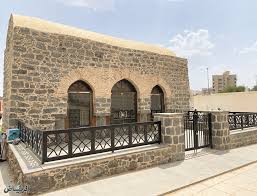 |
| General Information |
|---|
| Place | Saudi Arabia * Medina * Near the Fath Mosque and at the edge of Mount Sela' |
|---|
| Usage | Mosque |
|---|
| Religious Aspect |
|---|
| Religious Affiliation | Islam |
|---|
| History |
|---|
| Time of Construction | 1st century AH |
|---|
| Historical Features | The place where the Prophet(s) prayed |
|---|
| Current State |
|---|
| Status | Existing |
|---|
|
Directions
Loading map... {"minzoom":false,"maxzoom":false,"mappingservice":"leaflet","width":"300px","height":"250px","centre":false,"title":"","label":"","icon":"","lines":[],"polygons":[],"circles":[],"rectangles":[],"copycoords":false,"static":false,"zoom":13,"defzoom":14,"layers":["OpenStreetMap"],"image layers":[],"overlays":[],"resizable":false,"fullscreen":false,"scrollwheelzoom":true,"cluster":false,"clustermaxzoom":20,"clusterzoomonclick":true,"clustermaxradius":80,"clusterspiderfy":true,"geojson":"","clicktarget":"https://www.google.com/maps/search/?api=1\u0026query=24.477443,39.595562","imageLayers":[],"locations":[{"text":"\u003Cdiv class=\"mw-content-ltr mw-parser-output\" lang=\"en\" dir=\"ltr\"\u003E\u003Cp\u003ESalman al-Farsi Mosque\n\u003C/p\u003E\u003C/div\u003E","title":"Salman al-Farsi Mosque\n","link":"","lat":24.477443,"lon":39.595562,"icon":""}],"imageoverlays":null} |
Salman al-Farsi Mosque is one of the historical mosques in Medina, located south of the Fath Mosque and northwest of Mount Sela'. The Prophet (PBUH) prayed at this site during the Battle of the Trench. The mosque is named after Salman al-Farsi, one of the companions of [[Prophet Muhammad(s)], who suggested digging the trench to defend against the Quraysh army. The mosque features a courtyard and a rectangular prayer hall.
Name and Location
Salman al-Farsi Mosque is located south of the Fath Mosque and northwest of the slopes of Mount Sela'.[1] It is said that the mosque was named after Salman al-Farsi, a companion of the Prophet (PBUH), who played a key role in the Battle of the Trench by proposing the idea of digging the trench.[1]
The Prophet's Prayer
Salman al-Farsi Mosque is one of the Fath Mosques. According to narrations, the Prophet (PBUH) prayed at the Fath Mosque and its surrounding mosques.[2] Ibn Shabba reports that during the Battle of the Trench, the Prophet prayed at the base of Mount Sela' and then ascended the mountain to supplicate.[3] Researchers believe this site to be the same as Salman al-Farsi Mosque.[4]
History
Salman al-Farsi Mosque is one of the oldest mosques in Medina. Some scholars suggest that it was likely built during the governorship of Umar ibn Abd al-Aziz over Medina (87–101 AH).[5] The mention of the mosque in the works of Ibn Shabba[3] (who lived between 173–262 AH) indicates that the mosque existed in the 2nd century AH.
Ibn al-Barraj (d. 481 AH) also mentioned this mosque.[6] The mosque was reconstructed in 577 AH.[7][8] After this reconstruction, Ibn Najjar described the mosque as being surrounded by numerous palm trees and constructed with stone and plaster.[2] Some Shia sources from the 7th century AH mention prayers and visits to this mosque.[9][10]
Ibn Jubayr (d. 614 AH) described the mosque in his travelogue as being on the way to Mount Uhud.[11] The mosque is also mentioned in works from the 8th century,[12] 9th century,[13] 10th century,[14] and 11th century.[15]
Current Status
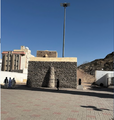
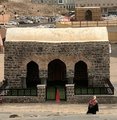
Today, Salman al-Farsi Mosque remains a site of visitation and prayer for pilgrims.[16] The mosque features a covered prayer hall in the southern part (qibla side) and a courtyard in the northern section. The prayer hall is rectangular with an arched roof.[4] The mosque is 8.5 meters long and 7 meters wide.[5]
Historical Images
Recent Images
-
-
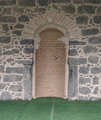
Mihrab
-
Southern side of the mosque from the outside, showing the mihrab.
-
Images of the mosque before the installation of glass doors.
-
-
-
Notes
- ↑ 1.0 1.1 Masājid al-Athariya, ʿAbd al-Ghanī, p. 143.
- ↑ 2.0 2.1 Al-Durra al-Thamina fi Tarikh al-Madina, Ibn Najjar, p. 189.
- ↑ 3.0 3.1 Tarikh al-Madina al-Munawwara, Ibn Shabba, pp. 58–59.
- ↑ 4.0 4.1 Masājid al-Athariya, ʿAbd al-Ghanī, p. 144.
- ↑ 5.0 5.1 Al-Madīna al-Munawwara: Tatawwuruhā al-ʿUmrānī, p. 188.
- ↑ Al-Muhadhdhab, Ibn al-Barraj, vol. 1, p. 283.
- ↑ Bahjat al-Nufus wa al-Asrar fi Tarikh Dar Hijrat al-Nabi al-Mukhtar, Marjani, vol. 1, p. 570.
- ↑ Al-Madīna al-Munawwara: Tatawwuruhā al-ʿUmrānī, p. 189.
- ↑ Al-Mazar, Muhammad ibn Jaʿfar al-Mashhadi, p. 102.
- ↑ Misbah al-Zaʾir, Sayyid Ibn Tawus, p. 64.
- ↑ Rihlat Ibn Jubayr, p. 156.
- ↑ Rihlat Ibn Battuta, vol. 1, p. 363 / Bahjat al-Nufus wa al-Asrar fi Tarikh Dar Hijrat al-Nabi al-Mukhtar, Marjani, vol. 1, p. 570.
- ↑ Al-Tuhfa al-Latifa fi Tarikh al-Madina al-Sharifa, Sakhavi, vol. 1, p. 40. / Itharat al-Targhib wa al-Tashwiq (with Ziyarat Bayt al-Maqdis by Ibn Taymiyya), Khwarizmi, vol. 2, p. 74.
- ↑ Wafāʾ al-Wafāʾ, Samhudi, vol. 3, p. 189.
- ↑ Al-Jawahir al-Thamina fi Mahasin al-Madina, p. 135 / Al-Rihla al-ʿAyyashiyya, vol. 1, p. 392.
- ↑ Athar Islami Makka wa Madina, Jaʿfariyan, p. 300.
References
- Ibn al-Barraj, Al-Qāḍī.** *Al-Muhadhdhab*. Qom: Muʾassasat al-Nashr al-Islāmī, 1406 AH.
- Ibn Ṭāwūs, Sayyid.** *Miṣbāḥ al-Zāʾir*. Qom: Muʾassasat Āl al-Bayt, 1417 AH.
- Khwārizmī, Muḥammad ibn Isḥāq.** *Ithārat al-Targhīb wa al-Tashwīq (with Ziyārat Bayt al-Maqdis by Ibn Taymiyya)*. Mecca: Maktabat Nizār Muṣṭafā al-Bāz, 1418 AH.
- Mashhadī, Muḥammad ibn Jaʿfar.** *Al-Mazār*. Qom: Nashr al-Qayyūm, 1419 AH.
- Ibn Jubayr.** *Riḥlat Ibn Jubayr (Tadhkira bi al-Akhbār ʿan Ittifāqāt al-Asfār)*. Beirut: Al-Muʾassasa al-ʿArabiyya li al-Dirāsāt wa al-Nashr, 2008 CE.
- Ibn Baṭṭūṭa.** *Riḥlat Ibn Baṭṭūṭa (Tuḥfat al-Nuẓẓār fī Gharāʾib al-Amṣār wa ʿAjāʾib al-Asfār)*. Rabat: Akādīmiyyat al-Mamlaka al-Maghribiyya, 1417 AH.
- Sakhāwī, Shams al-Dīn.** *Al-Tuḥfa al-Laṭīfa fī Tārīkh al-Madīna al-Sharīfa*. Beirut: Dār al-Kutub al-ʿIlmiyya, 1414 AH/1993 CE.
- Ḥusaynī, Muḥammad Kabrīt al-Madanī.** *Al-Jawāhir al-Thamīna fī Maḥāsin al-Madīna*. Beirut: Dār al-Kutub al-ʿIlmiyya, 1417 AH.
- ʿAyyāshī, ʿAbd Allāh ibn Muḥammad.** *Al-Riḥla al-ʿAyyāshiyya (1661–1663 CE)*. Abu Dhabi: Dār al-Suwaydī, 2006 CE.
- ʿAbd al-Ghanī, Muḥammad Ilyās.** *Masājid al-Āthārīya fī al-Madīna al-Munawwara*. Medina: Maṭābiʿ al-Rashīd, 1419 AH.
- Samhūdī, ʿAlī ibn ʿAbd Allāh.** *Wafāʾ al-Wafā bi-Akhbār Dār al-Muṣṭafā*. Edited by Qāsim al-Sāmarrāʾī. London: Muʾassasat al-Furqān, 2001 CE.
- Jaʿfariyān, Rasūl.** *Āthār Islāmī Makka wa Madīna*. Tehran: Nashr Mashʿar, 1390 SH.
- Ibn Najjār, Muḥammad ibn Maḥmūd.** *Al-Durra al-Thamīna fī Tārīkh al-Madīna*. Cairo: Maktabat al-Thaqāfa al-Dīniyya, n.d.
- Muṣṭafā, Ṣāliḥ Lamʿī.** *Al-Madīna al-Munawwara: Taṭawwuruhā al-ʿUmrānī*. Beirut: Dār al-Nahḍa al-ʿArabiyya, 1981 CE.
Template:Places in Medina

 According to the image, the mosque's entrance was blocked for some time.


 Mihrab
 Southern side of the mosque from the outside, showing the mihrab.
 Images of the mosque before the installation of glass doors.